
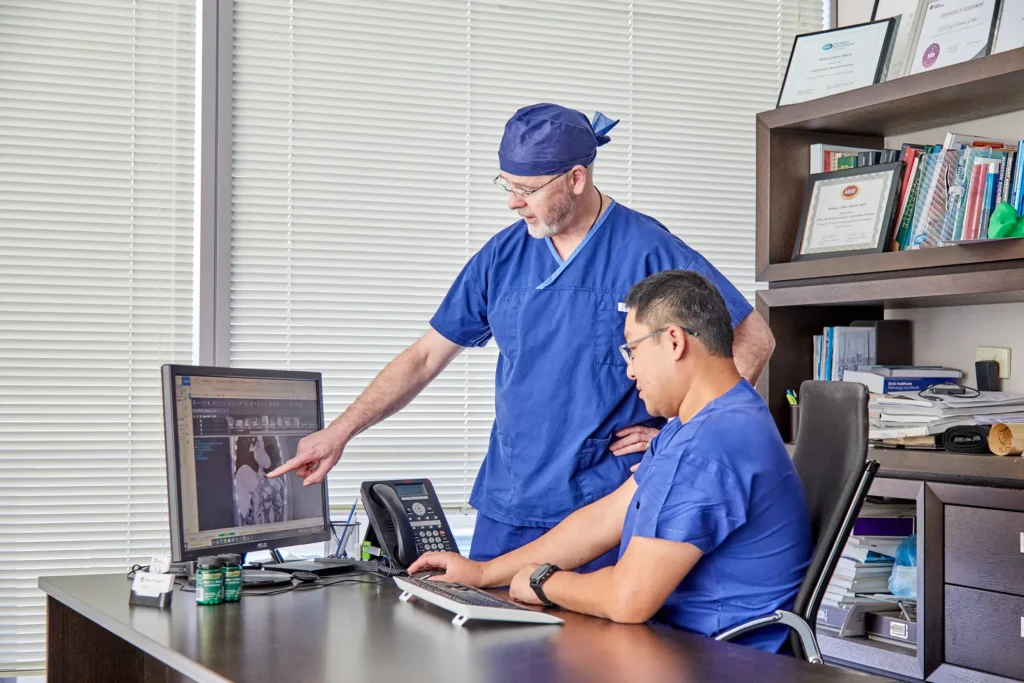
Not all operations benefit from a robot, but procedures requiring a high degree of precision do, particularly in revision surgery, obese patients and complex hernias.
A/Prof Michael Talbot
Robotic surgery is an evolution of laparoscopic surgery in which the surgeon operates from a console, controlling a high-definition 3D camera and articulated, wristed instruments with tremor filtration and enhanced dexterity. The platform improves visualisation and fine motor control in confined or scarred fields, supports precise dissection and suturing, and can reduce surgeon fatigue in long or complex cases.
Importantly, the surgeon performs the operation; robotics augments, rather than replaces, surgical judgement and skill. It is selected when it offers a clear advantage over standard laparoscopy or open surgery for the individual patient and procedure.
Robotic surgery gives you a steady hand with better vision and the ability to zoom in and work in a very small field with great accuracy.
A/Prof Michael TalbotRobotics is particularly valuable for upper GI and bariatric procedures where precision and access matter:
● Revisional surgery: re-do gastric bypass/sleeve, re-do anti-reflux procedures
● Hiatus/para-oesophageal hernia repair, including large or complex defects
● Complex abdominal wall hernia repair requiring extensive suturing or reconstruction
● Mini-keyhole cholecystectomy in selected patients
● Upper GI oncology: oesophagectomy, gastrectomy and selected pancreatic resections (e.g. distal pancreatectomy)
The best approach is the one that’s safest and most durable for the patient - robotic, standard laparoscopic, hybrid or open.
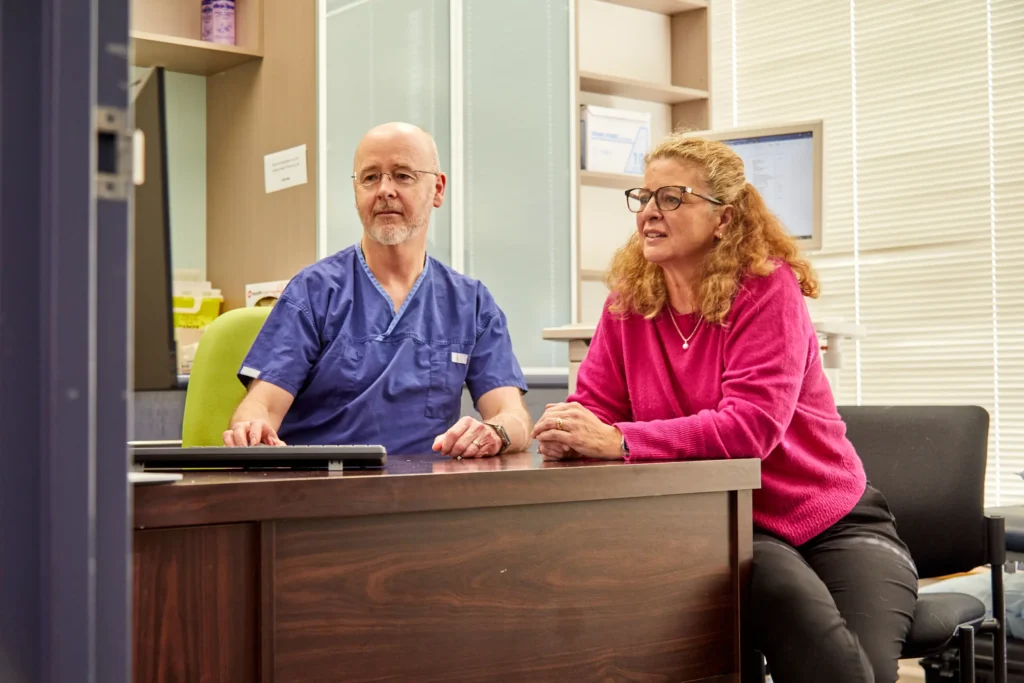
It’s particularly helpful in patients who’ve had several previous surgeries, where the anatomy is abnormal and the view is poor, and in patients who are very overweight or have complex hernias.
A/Prof Michael Talbot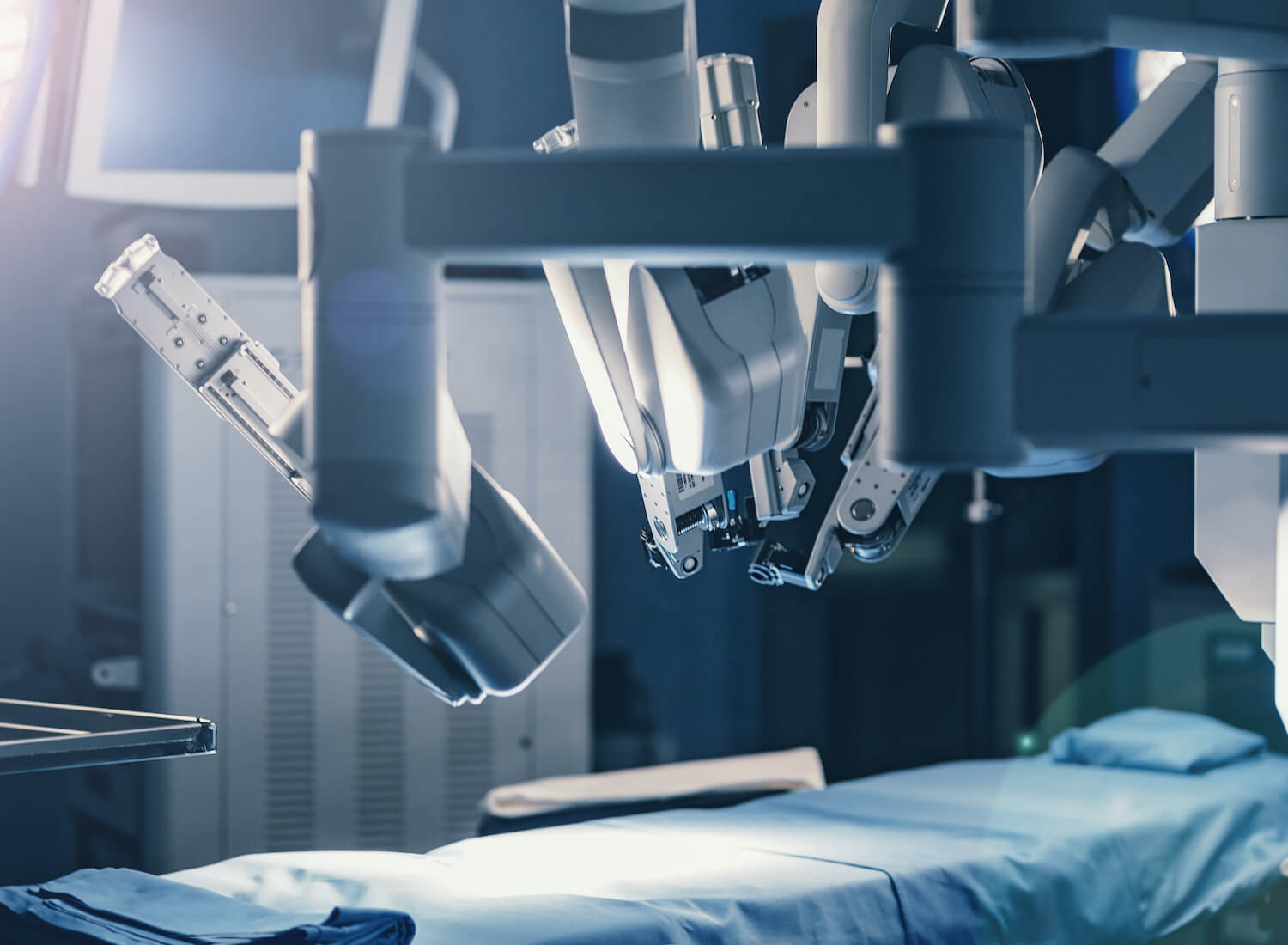
Greater precision for fine dissection and suturing
Improved visualisation in scarred/altered anatomy and deep pelvic or sub-costal fields
Reduced surgeon fatigue in long or complex operations
Potential for smaller/fewer incisions and faster convalescence in selected procedures
The surgeon still operates. Robotics enhances skill; it does not replace it.
Indication matters. Choose robotics when it meaningfully improves access, precision or ergonomics for the specific case.
Robotics shines in complex Upper GI work. Foregut, revisional and oncologic procedures often benefit most.
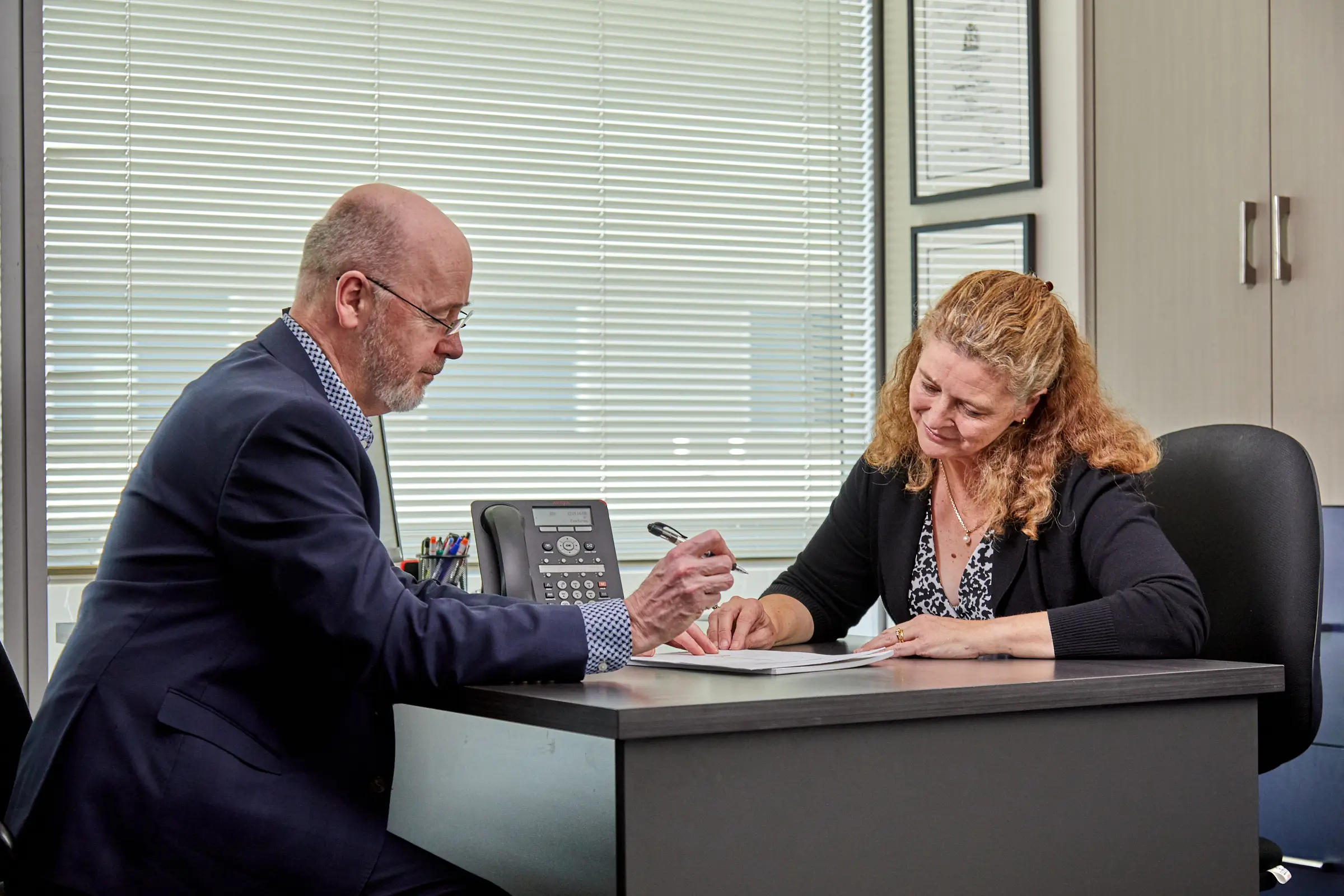
Most robotic procedures use small incisions under general anaesthesia. Hospital stay and recovery are similar to advanced laparoscopy, with advantages in precision and ergonomics, where robotics adds value. Patients receive clear pre-op counselling and an enhanced-recovery pathway covering analgesia, mobilisation and diet progression
All surgery carries risk (bleeding, infection, injury to adjacent structures, anaesthesia-related issues). Some cases may require conversion to laparoscopy or open surgery for safety.
Costs - robotic platforms have higher equipment costs; not all fees are covered by every health fund or hospital. A transparent estimate is provided before booking.
Pioneer & training Professor - first-in-Australia experience on da Vinci and Hugo platforms; actively teaches robotic techniques.
Dual platform proficiency - pragmatic selection of the system and instruments that best suit the case.
Endoscopy + surgery in one team - an interventional endoscopist and Upper GI surgeon allows seamless planning across ERCP/EMR/ESD and operative care.
Innovation used well - fluorescence imaging, image overlays and advanced suturing to enhance safety and accuracy.
Tertiary pathways - multidisciplinary support (anaesthesia, radiology, ICU, oncology) for complex and revisional cases.

It won’t be long before robots show us things we can’t see because they’re hidden, reducing the risk of inadvertent injuries.”
A/Prof Michael Talbot
Copyright © 2026. Michael Talbot. All rights reserved.
Website by Purple Effect